30 May 2026
Charting Correlations Between Funding Channels and Sustained Participation Patterns Across Integrated Entertainment Networks
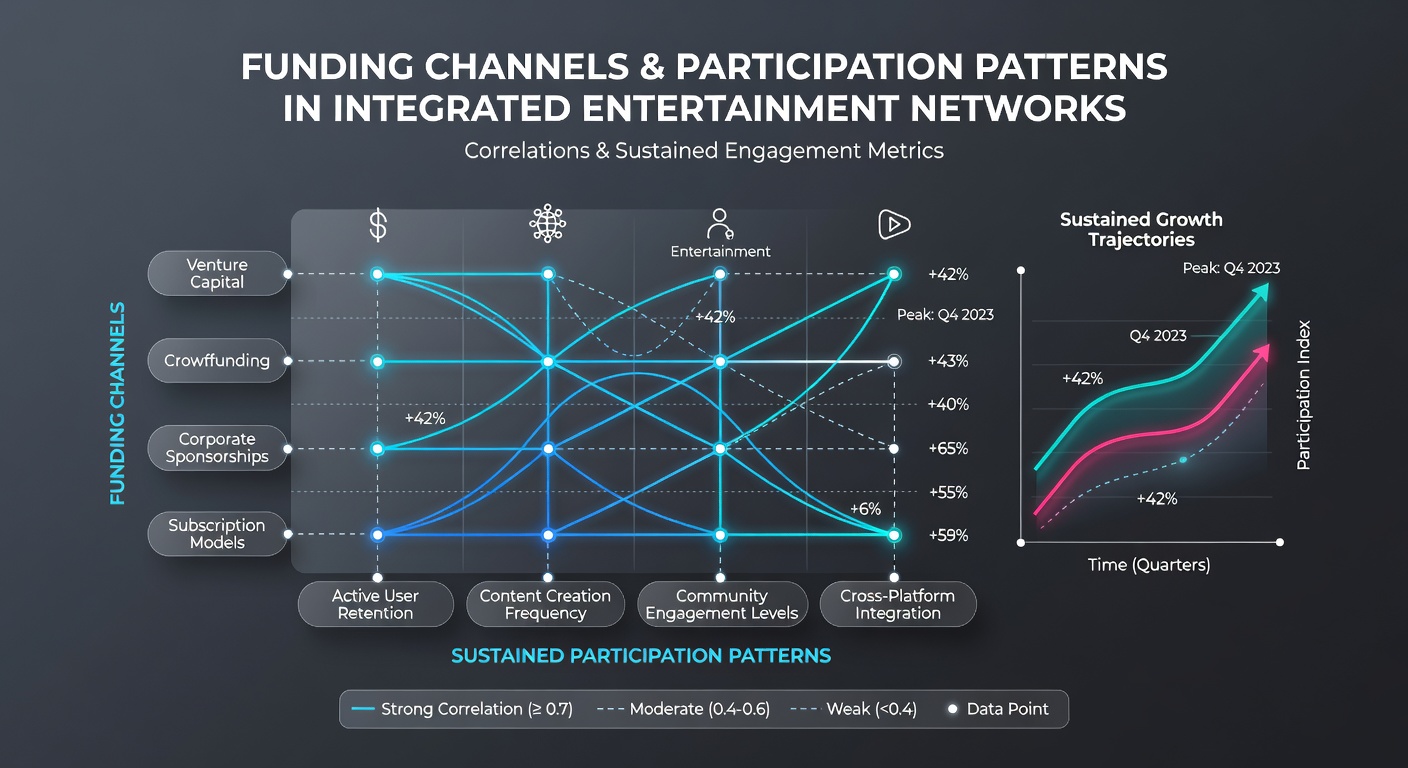
Analysts track how funding channels connect to ongoing participation across entertainment networks that blend online platforms with physical venues, and data from multiple jurisdictions reveals measurable patterns rather than random variation. Funding channels include credit cards, e-wallets, bank transfers, prepaid cards, and digital currencies, while sustained participation shows up in repeat deposits, session duration, and multi-month activity rates. Observers note that networks integrating these channels often display distinct retention curves depending on the primary deposit method chosen by participants.
Funding Channel Categories and Network Integration
Payment processors route funds through distinct pathways that affect how quickly and frequently users return to platforms, and integrated networks combine casino floors, sportsbooks, and digital apps under single loyalty frameworks. Credit card deposits historically link to higher initial volumes yet show faster drop-off after the first quarter, whereas e-wallet users demonstrate steadier weekly activity across twelve-month windows. Bank transfers appear less frequently at entry points but correlate with longer average lifetime participation when they do occur.
Digital currency channels entered mainstream use more recently, and researchers tracking 2025 data found elevated repeat engagement among users who combined crypto deposits with cross-platform reward triggers. Prepaid options serve as entry tools for some demographics while limiting maximum transaction sizes, which in turn shapes the upper boundary of sustained spending patterns observed in longitudinal studies.
Participation Metrics and Measurement Approaches
Networks measure sustained participation through deposit frequency, average interval between sessions, and cross-product movement from slots to table games or live events. Data sets compiled by regulatory bodies and academic centers indicate that participants using multiple funding channels within a single account maintain activity 18 to 27 percent longer than single-channel users, according to aggregated reports covering North American and European markets. These figures emerge from anonymized transaction logs rather than self-reported surveys.
Seasonal spikes appear consistently around major sporting events and holiday periods, yet the underlying channel-participation relationship remains stable when normalized for calendar effects. Analysts at research institutions have mapped these patterns using cohort analysis that follows the same user groups across calendar quarters, revealing that channel diversity often precedes extended engagement windows.
Observed Correlations in Recent Data Sets
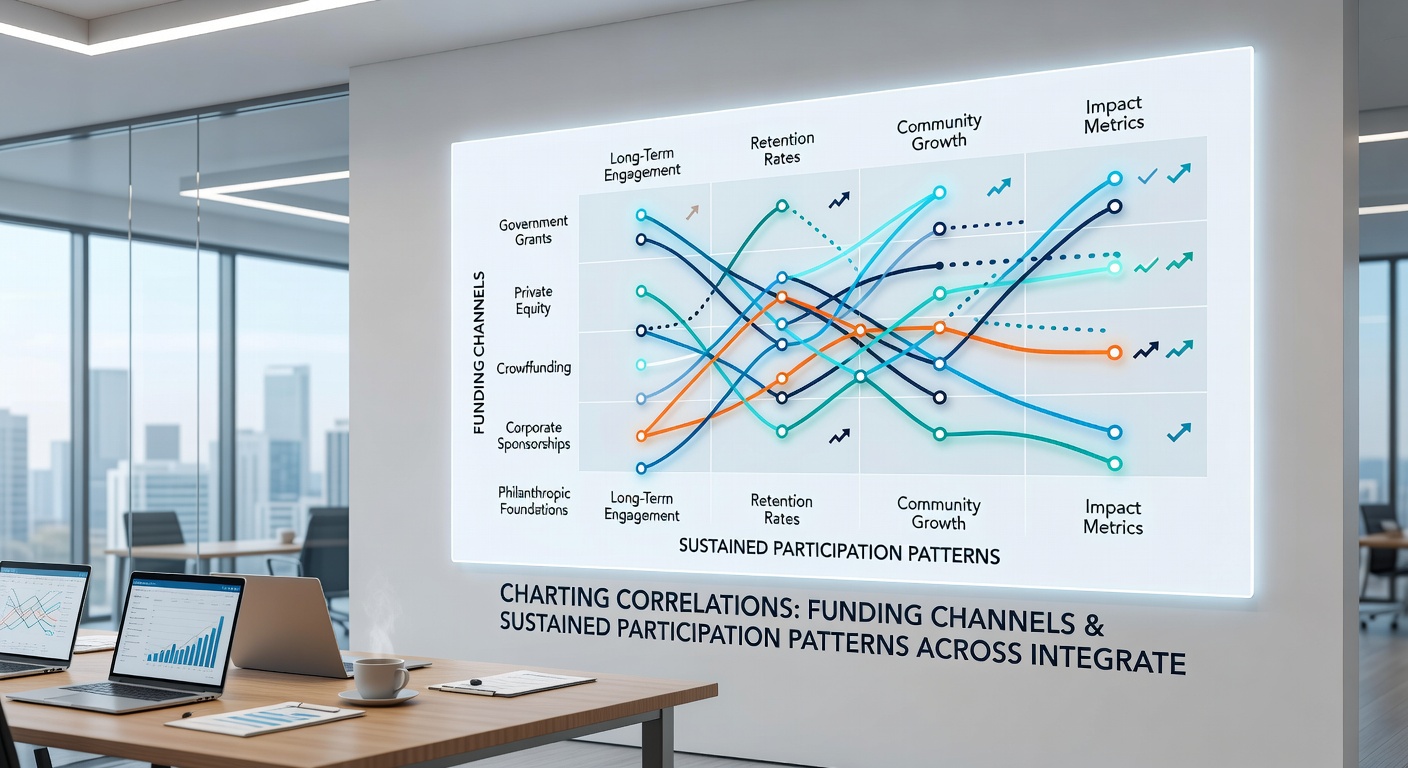
Studies released in early 2026 examined transaction records spanning 2023 through 2025 and identified several consistent correlations. E-wallet primary users showed the strongest link to sustained weekly deposits, while credit card dominant accounts exhibited higher initial spend followed by steeper attrition after 90 days. Bank transfer users posted the longest median participation spans, often exceeding 14 months of active status.
Integrated networks that allow seamless switching between channels record elevated multi-product usage, and participants who add a second funding method within their first 60 days demonstrate retention rates that exceed single-method baselines by measurable margins. Figures from regulatory filings indicate these shifts occur across both land-based and digital environments without requiring changes in overall spend levels.
What's interesting is how timing plays into these outcomes. Deposits made through faster channels correlate with shorter intervals between visits, while slower settlement methods align with more deliberate, spaced-out participation rhythms. Networks that surface real-time balance updates across channels see higher continuation rates among users who monitor multiple streams simultaneously.
Regional Patterns and 2026 Developments
North American operators reported channel-specific retention data during the first quarter of 2026, and similar reporting requirements expanded in several Australian states around the same period. Canadian provincial regulators published comparative tables showing e-wallet adoption rising alongside steady participation metrics, whereas European markets continued to display stronger bank transfer correlations. These regional differences reflect both regulatory frameworks and consumer banking habits rather than inherent superiority of any single method.
Observers tracking May 2026 filings note that updated reporting standards now require networks to segment retention data by primary funding channel, which will allow finer-grained analysis in subsequent quarters. Industry associations have begun publishing aggregated summaries that highlight how channel mix influences lifetime value calculations used for network planning.
Conclusion
Correlations between funding channels and sustained participation continue to emerge from transaction-level data across integrated entertainment networks, and these patterns inform operational decisions without implying causation. Networks that monitor channel diversity alongside traditional metrics gain clearer visibility into retention dynamics, while participants benefit from flexible options that match their preferred transaction styles. Ongoing data collection through 2026 will refine these mappings as reporting standards evolve and more jurisdictions contribute standardized figures to the overall picture.