20 Jun 2026
Connections Between E-Wallet Approval Speeds and Live Dealer Table Choices in Cross-Border Gaming
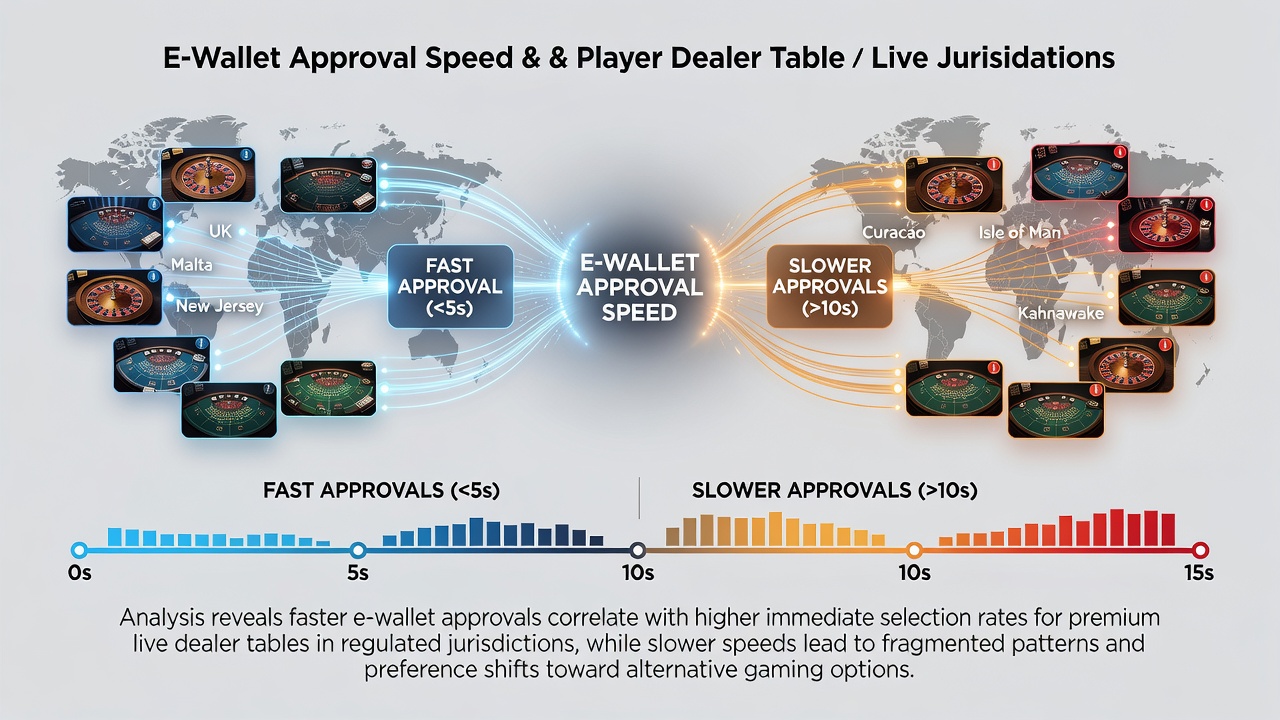
Multi-jurisdiction gaming environments create distinct payment landscapes where e-wallet approval speeds directly shape how players approach live dealer tables, and operators track these patterns through transaction data collected across borders. Regulatory frameworks in places such as Nevada and the Australian Capital Territory establish different verification timelines that influence which tables receive sustained traffic once funding clears.
Approval intervals range from near-instant in some licensed markets to extended holds lasting several minutes elsewhere, and these differences correlate with measurable shifts in table selection. Players often migrate toward blackjack or baccarat variants that support rapid re-buys when wallets process quickly, whereas slower approvals steer activity toward tables with lower minimums or longer round intervals that accommodate pending transactions.
Regulatory Variations Across Regions
Jurisdictions maintain separate anti-money laundering protocols that affect wallet integration, and data compiled through 2025 shows processing times averaging under 30 seconds in streamlined systems while reaching two minutes in more layered oversight environments. The Nevada Gaming Control Board documentation outlines how licensed operators must align wallet partners with state-specific authentication steps, which in turn alters session flow for live dealer participants.
Similar patterns appear in Singapore's regulated casino sector, where integrated payment rails prioritize speed for high-volume tables yet impose additional checks during peak hours. These procedural differences produce observable clustering around certain dealer rotations and game formats once funds become available.
Observed Selection Patterns in Live Environments
Transaction logs from multi-site platforms indicate that tables featuring integrated wallet prompts experience higher continuity rates when approvals complete within the first 45 seconds of a session. Roulette wheels and poker variants see increased seat occupancy in jurisdictions that permit faster external funding channels, while blackjack spreads adjust dynamically based on average clearance times reported by operators.
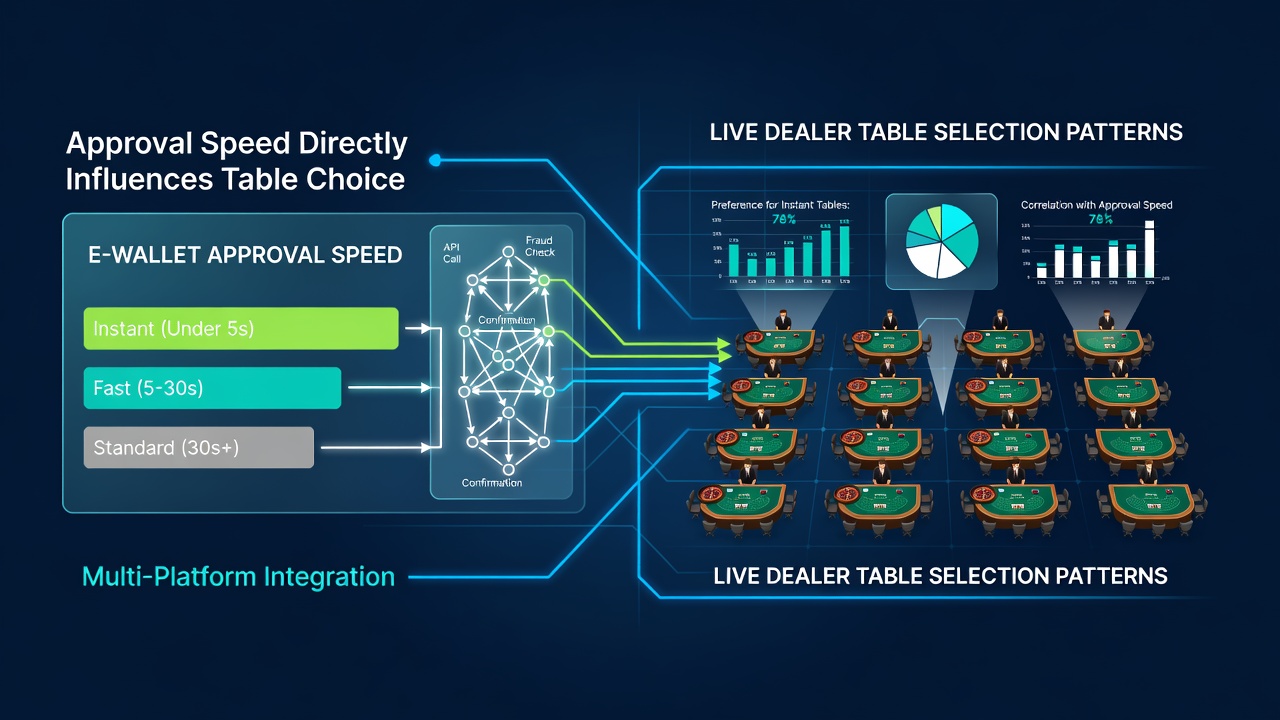
Researchers tracking player movement across borders note that extended approval windows correlate with temporary switches to tables allowing side bets or lower stakes, which reduces the impact of delayed funding on overall participation. One study released in early 2026 examined cross-platform data and found that sessions initiated with sub-60-second clearances maintained longer average durations at premium tables compared with those encountering brief holds.
June 2026 Platform Adjustments
Platform updates rolled out in June 2026 introduced standardized wallet status indicators visible to players at the table interface level, and early metrics suggest these displays further refined selection behavior by allowing participants to anticipate clearance before committing to specific dealer tables. Operators in overlapping regulatory zones reported measurable redistribution of live traffic toward games that accommodate staggered funding without interrupting play sequences.
Industry reports from Canadian provincial regulators highlight parallel developments where wallet partners adjusted their verification layers to match evolving multi-jurisdictional requirements, resulting in tighter alignment between approval speed and table occupancy rates during evening peak periods.
Data Correlations and Platform Metrics
Figures compiled across integrated networks reveal that a 20-second reduction in average approval time corresponds with a measurable uptick in live dealer table switches, particularly among players maintaining balances across several licensed sites. These shifts appear most pronounced in environments where loyalty programs tie reward triggers directly to transaction velocity rather than total volume alone.
Academic analysis from European research institutions has examined how these timing factors interact with table availability algorithms, showing that platforms using predictive load balancing tend to route faster-funded players toward higher-limit tables while slower clearances distribute activity more evenly across mid-stakes options. The resulting patterns demonstrate consistent regional variations tied to the underlying regulatory payment rules rather than player preference alone.
Conclusion
Evidence from transaction datasets and regulatory filings continues to map how e-wallet approval intervals intersect with live dealer table selection across jurisdictions, and operators use these connections to refine interface design and table allocation strategies. Continued monitoring through 2026 and beyond will clarify whether further standardization of wallet processes produces additional convergence in player behavior across borders.