28 May 2026
Decoding Synchronization Protocols Linking Digital Wallet Transactions to Sequenced Reward Triggers Across Gaming Platforms
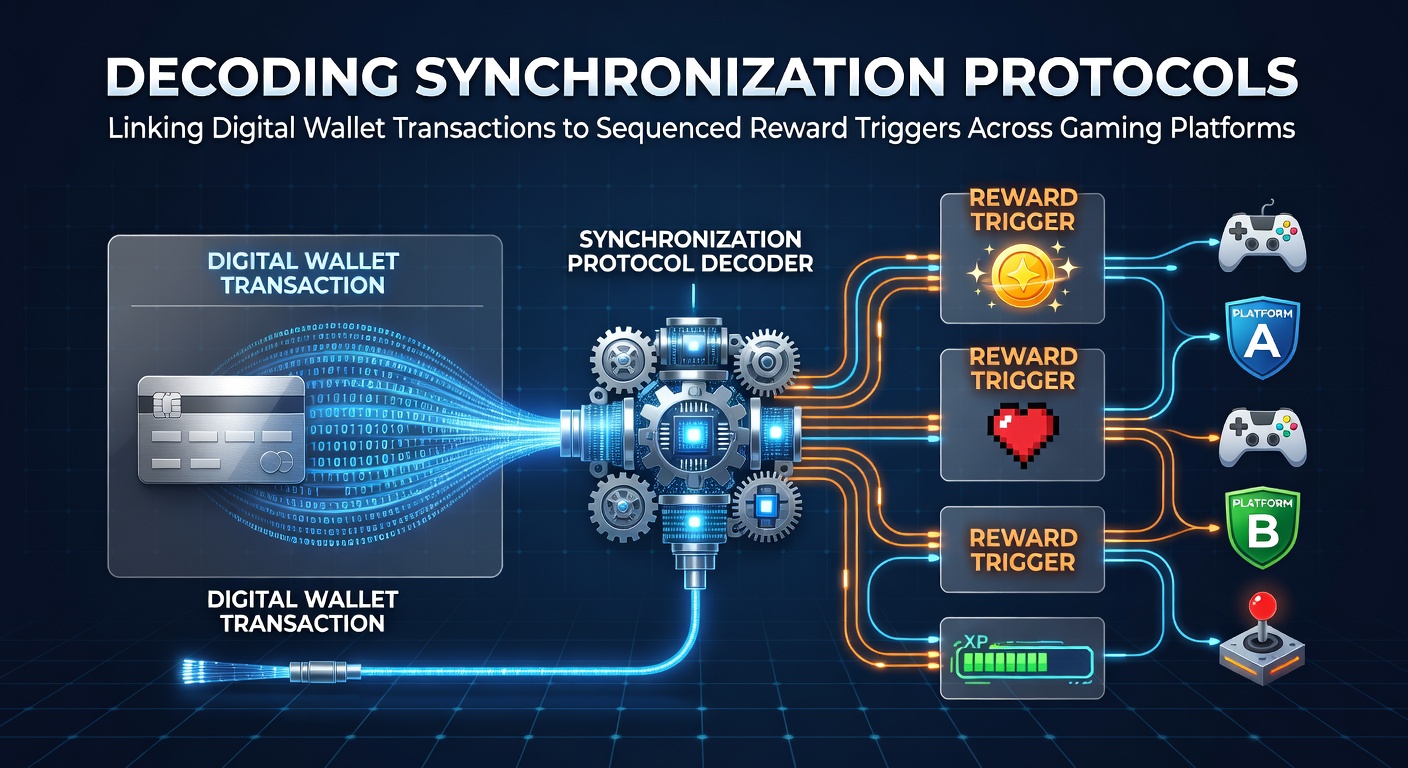
Digital wallet integration with gaming platforms relies on synchronization protocols that match transaction events to reward sequences in real time, and these systems operate through layered APIs that transmit data between payment processors and game servers while maintaining consistency across multiple environments. Developers build these protocols around timestamp verification and sequence numbering so each deposit or withdrawal aligns with specific triggers such as bonus unlocks or loyalty point allocations, and the process avoids duplication by embedding unique identifiers in every message packet.
Core Components of the Synchronization Framework
At the foundation sit transaction listeners that monitor wallet activity through standardized endpoints, after which the protocol maps each confirmed transfer to a reward queue using predefined rulesets. Researchers at institutions studying distributed systems have documented how these mappings rely on atomic commits to ensure either both the financial record and the reward trigger update together or neither does, and this approach prevents partial states that could lead to disputes. Gaming operators deploy these frameworks across consoles, mobile applications, and browser-based clients, which means the same wallet transaction can initiate rewards in several environments simultaneously when the protocol supports cross-platform session tokens.
Security layers incorporate end-to-end encryption along with mutual authentication between the wallet provider and the gaming backend, while sequence numbers increment with each successful handoff to block replay attempts. Data indicates that major platforms adopted enhanced sequencing standards following regulatory updates in various jurisdictions, and observers note that these changes improved audit trails for both financial and reward events.
Transaction Flow and Reward Sequencing Mechanics
When a player initiates a deposit the wallet sends a notification containing amount, timestamp, and reference code to the gaming platform's listener service, which then validates the message against its internal ledger before generating a sequenced reward event. The protocol assigns the event a position in a priority queue based on factors including transaction size and player history, allowing systems to release tiered bonuses in the exact order they were earned. Studies from payment technology groups show that latency under 200 milliseconds remains achievable when the architecture uses message brokers with dedicated reward channels, and this speed supports seamless play without noticeable delays between deposit confirmation and bonus activation.
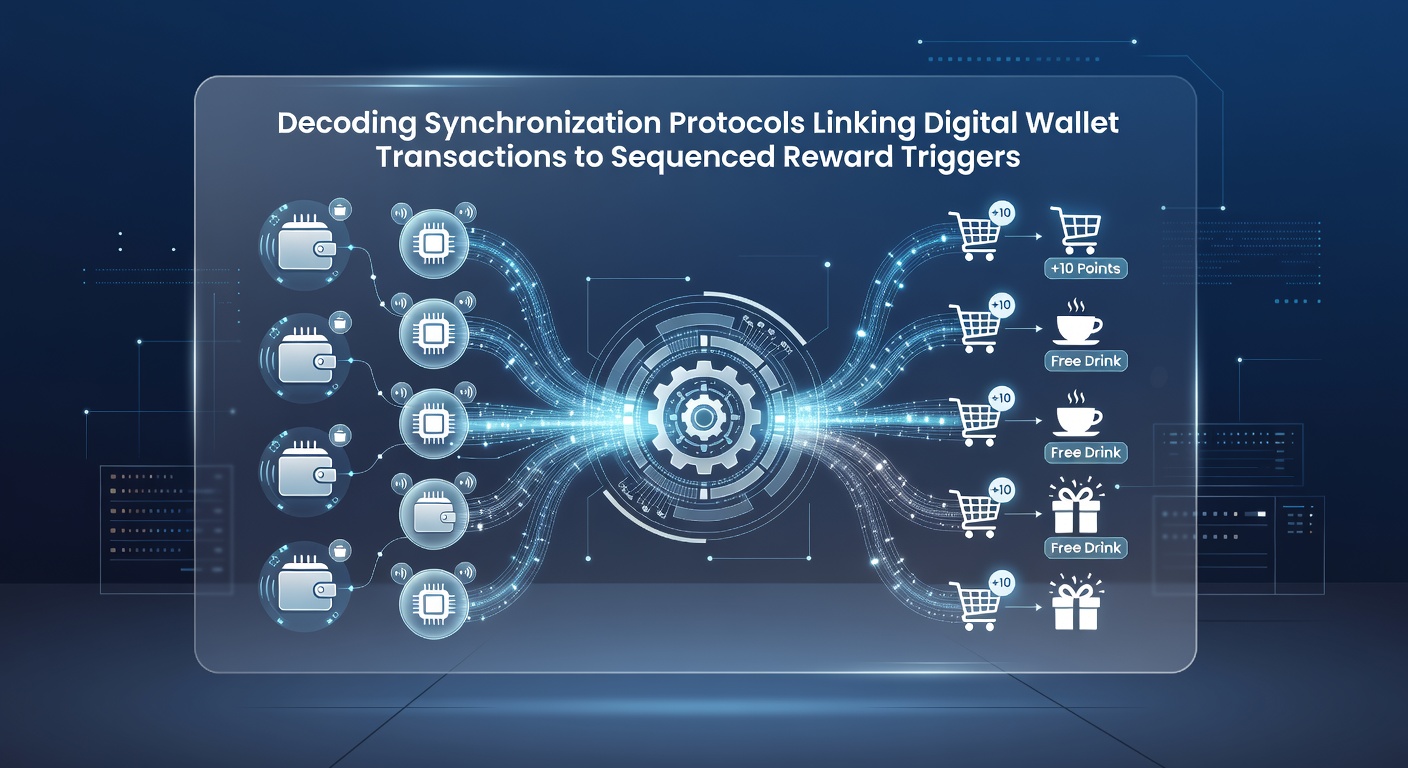
Cross-platform consistency requires shared state management through distributed caches that replicate player reward balances, and the protocol handles conflicts by applying last-write-wins rules combined with reconciliation checks at regular intervals. In May 2026 several operators began testing upgraded reconciliation modules that incorporate machine learning to predict and resolve timing mismatches before they affect user accounts, according to reports circulated within industry technical forums. The same modules also log every sequence step for compliance reviews, creating records that regulators in multiple regions can access through secure portals.
Interoperability Standards and Platform Variations
Interoperability depends on adherence to common data schemas such as those outlined in technical specifications from organizations tracking digital finance, which define fields for transaction identifiers, reward types, and trigger conditions. Platforms in North America often integrate these schemas with local banking rails, whereas operators in Asia-Pacific regions frequently layer additional verification steps tied to regional digital currency frameworks. A 2025 analysis from the Bank for International Settlements highlighted how standardized sequencing reduces settlement disputes in multi-jurisdiction gaming networks, and the findings pointed to measurable drops in reconciliation errors after adoption of unified message formats.
Some providers extend the core protocol with smart contract elements on permissioned ledgers, allowing reward triggers to execute automatically once wallet conditions are met, and this method appears in environments that already support cryptocurrency deposits. The approach maintains the original sequence numbering while adding an immutable record layer that auditors can query independently of the main gaming database.
Future Developments and Integration Trends
Upcoming enhancements focus on reducing dependency on centralized brokers by shifting toward event-driven architectures that use publish-subscribe patterns, and early implementations have demonstrated improved resilience during high-volume periods such as tournament launches. Industry associations tracking gaming technology report growing interest in zero-knowledge proofs that can verify reward eligibility without exposing full transaction details, a feature that aligns with tightening data protection requirements across several markets. As these protocols evolve, the linkage between wallet activity and reward sequencing continues to underpin operational reliability for platforms serving diverse player bases worldwide.
Conclusion
Synchronization protocols form the technical backbone that connects digital wallet movements to ordered reward systems, and their continued refinement supports consistent experiences across fragmented gaming landscapes. Through structured sequencing, encryption standards, and emerging interoperability measures, these frameworks manage the complex data flows that modern platforms require while meeting compliance expectations in an expanding regulatory environment.