6 Jul 2026
How Electronic Payment Approval Sequences Affect Adherence to Preset Loss Thresholds During Extended Live Dealer Sessions
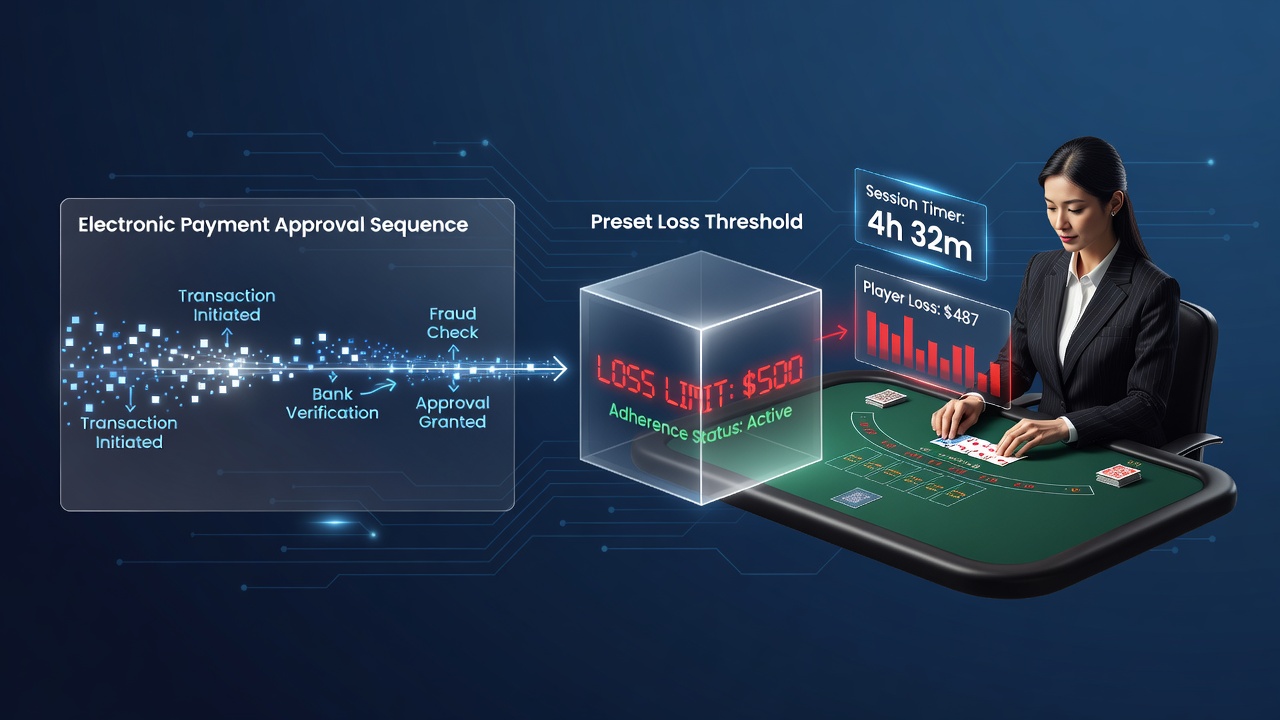 Electronic payment approval sequences play a direct role in how players manage preset loss thresholds during prolonged live dealer sessions. These sequences involve multiple verification steps including authorization requests, fraud checks, and fund confirmation that occur between the player's account and the gaming platform. Data from regulatory filings shows that delays or instant approvals in these processes can alter session length and spending patterns in real time.
Payment Processing Mechanics in Live Dealer Environments
Live dealer platforms integrate electronic payments through systems that handle deposits and withdrawals alongside ongoing table games such as blackjack and roulette. Approval sequences typically begin with an initial authorization hold followed by settlement that confirms available funds. Research from the European Gaming and Betting Association indicates that average processing times range from under two seconds for pre-approved wallets to fifteen seconds or more when additional security layers activate.
Players set loss thresholds through account tools that pause play once limits activate. Yet the timing of payment approvals influences whether these thresholds receive immediate enforcement. When an approval clears quickly, funds transfer without interruption and session continuity remains intact. Slower sequences create brief windows where additional wagers might occur before the system registers the updated balance.
Effects on Threshold Adherence During Extended Sessions
Extended live dealer sessions often span several hours with continuous dealer interactions and multiple betting rounds. Studies conducted by the University of Nevada's gaming research division reveal that payment delays correlate with higher rates of threshold breaches in sessions exceeding ninety minutes. The lag allows players to place bets while the platform processes the transaction in the background.
Instant approval methods such as certain digital wallets reduce this window significantly. Figures from the New Jersey Division of Gaming Enforcement show platforms using these methods report closer alignment between preset limits and actual stoppage points. In contrast, traditional card sequences that require merchant category code verification introduce variability that operators monitor through session analytics.
Regulatory Developments and July 2026 Updates
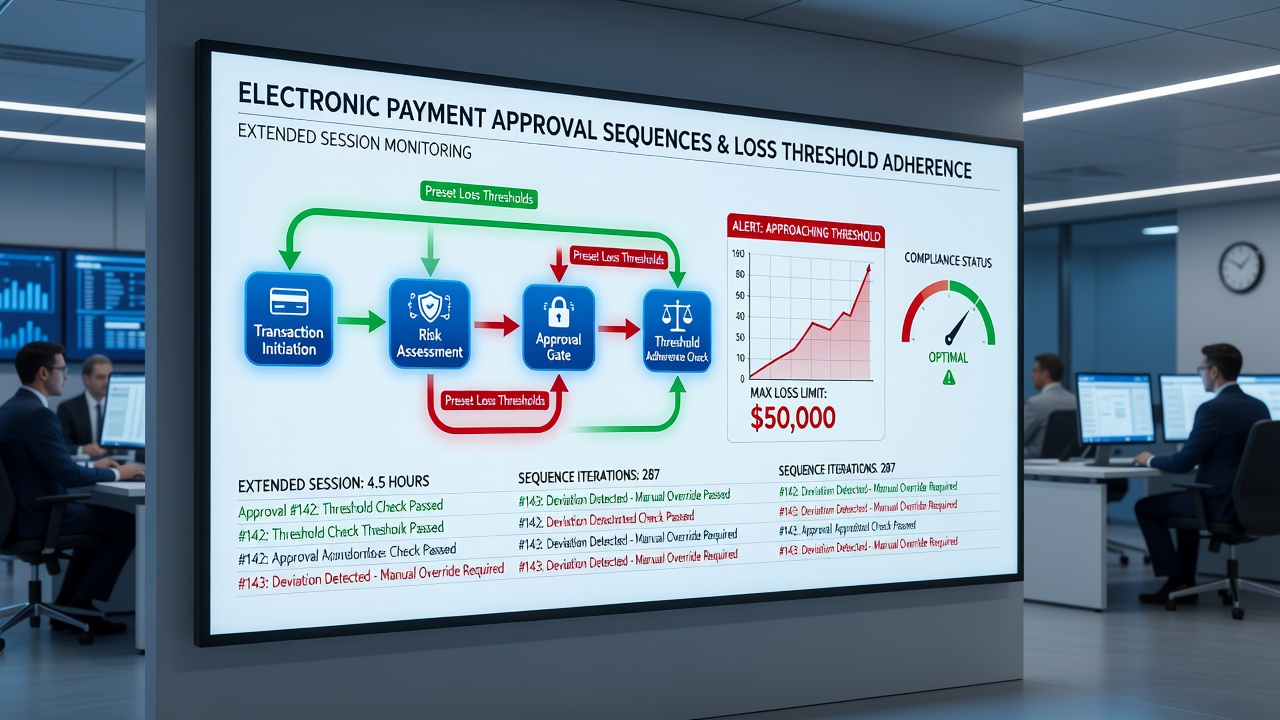
Amendments scheduled for July 2026 across multiple jurisdictions require operators to synchronize payment approval logs with loss limit enforcement systems. The Malta Gaming Authority has outlined standards that mandate real-time balance updates once an authorization sequence completes. These rules aim to minimize discrepancies that arise during high-volume live dealer traffic.
Operators in regulated markets already test compliance tools that flag sequences exceeding set latency thresholds. Data compiled by the Canadian Centre for Gaming Research shows early adopters of these tools achieved improved adherence rates in monitored sessions. The changes build on existing frameworks that track player behavior across integrated platforms.
Cross-Platform Variations and Player Patterns
Different payment providers exhibit distinct approval characteristics that affect session dynamics. E-wallet services often bypass intermediate holds and deliver near-instant confirmation while bank transfers may involve batch processing that extends the timeline. Observers note that players using mixed funding sources encounter inconsistent experiences when thresholds approach activation.
Live dealer environments amplify these effects because games proceed at a steady pace determined by the dealer rather than automated reels. A single delayed approval can span multiple rounds of play and shift the moment when a preset limit takes effect. Industry reports document that platforms with unified payment ledgers experience fewer instances of post-threshold wagering compared to those relying on third-party gateways.
Conclusion
Electronic payment approval sequences form an integral component of loss threshold management in extended live dealer sessions. Processing times, verification layers, and upcoming July 2026 regulatory alignments collectively shape how closely players remain within their preset boundaries. Continued monitoring by gaming authorities and research institutions provides ongoing data that clarifies these interactions across global markets.