18 Jul 2026
Linking Multi-Currency Transaction Approvals to Phased Reward Distributions in Cross-Jurisdictional VIP Structures
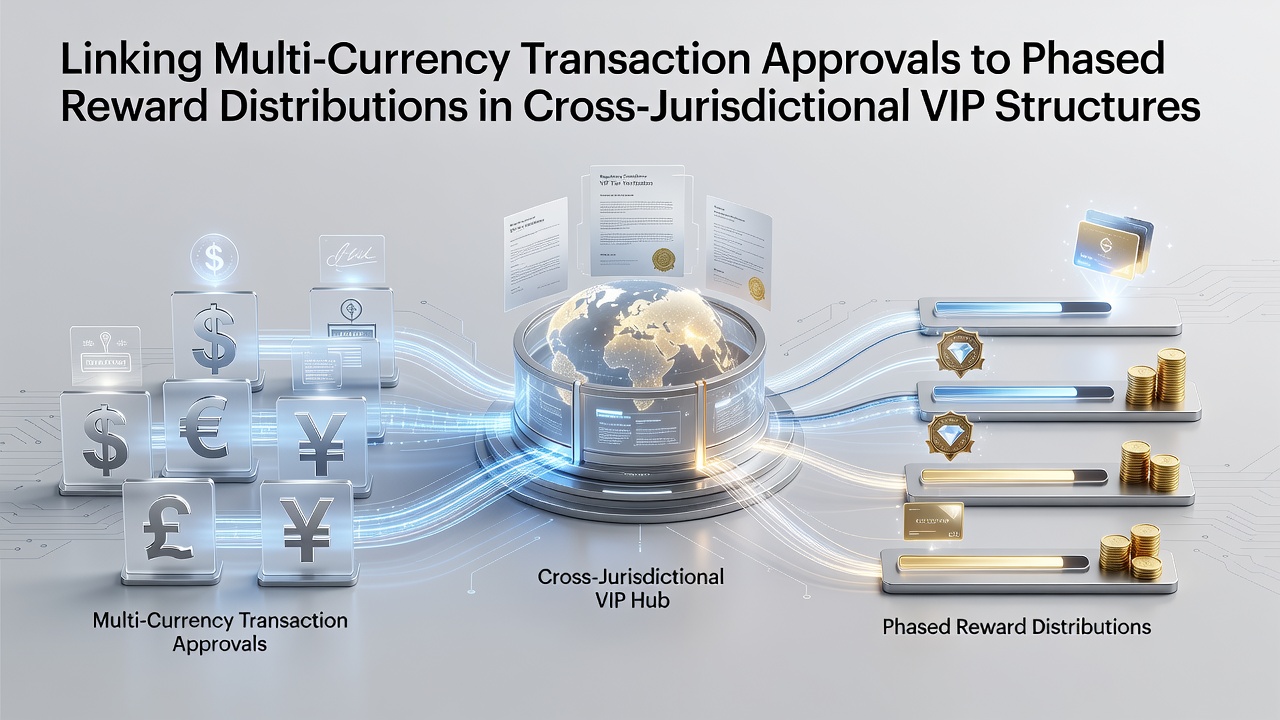 Multi-currency transaction approvals connect directly to phased reward distributions within VIP structures that operate across multiple regulatory jurisdictions. These systems coordinate approval processes for deposits and withdrawals in various currencies while releasing loyalty rewards in staged increments that align with compliance checkpoints. Data from integrated platforms shows that operators implement these linkages to maintain consistent player status tracking regardless of where transactions originate or where rewards apply. Regulatory frameworks in different regions require verification steps that include currency conversion checks, source of funds reviews, and anti-money laundering protocols. When platforms synchronize these approvals with reward phases, they ensure that each distribution tier activates only after all required clearances complete. For instance, a VIP player depositing in euros from a European account and requesting rewards in USD through a North American portal triggers sequential verifications before any bonus credits release.
Mechanics of Multi-Currency Approvals
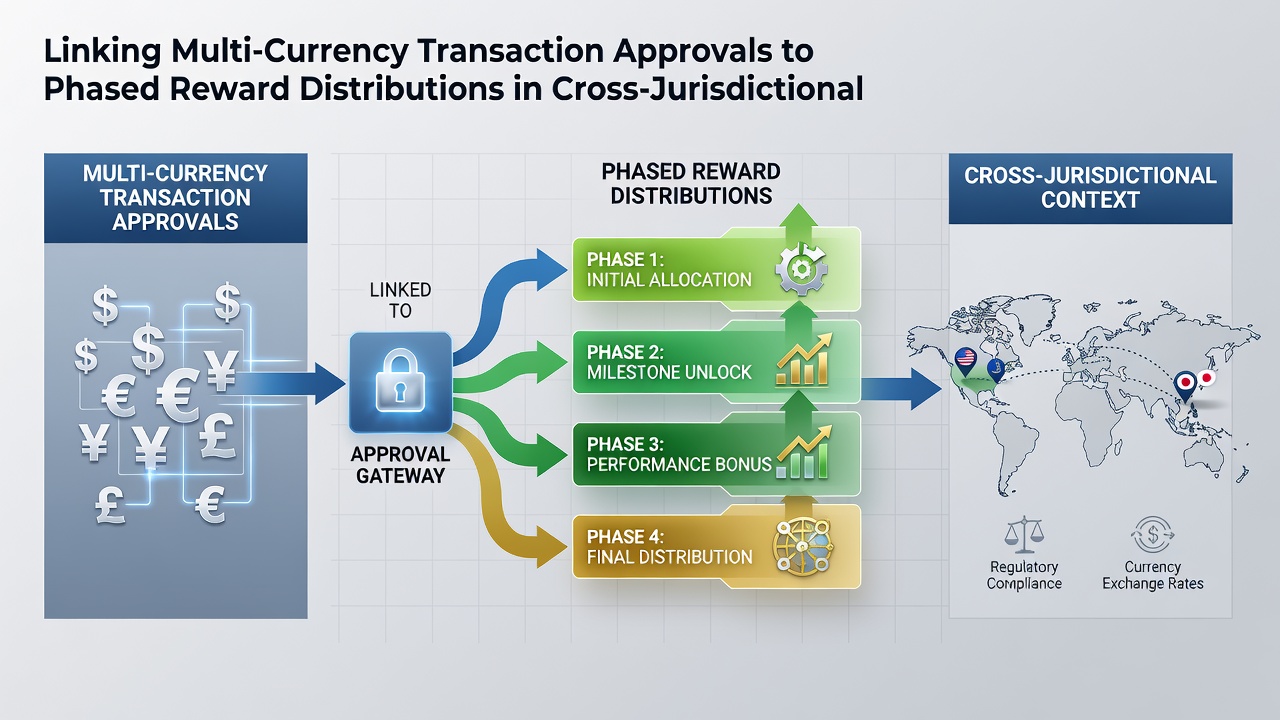
Transaction approval systems process incoming funds through automated gateways that flag currency mismatches and route them for manual review when thresholds exceed standard limits. These gateways incorporate real-time exchange rate data and jurisdiction-specific rules, such as those enforced by bodies like the Financial Transactions and Reports Analysis Centre of Canada. Once approvals clear, the platform logs the transaction against the player's cross-border VIP profile, which then feeds into the reward distribution engine.
Phased distributions break total rewards into segments tied to approval milestones. A first phase might release 30 percent of accumulated loyalty points after initial currency verification completes, while subsequent phases unlock only after follow-up checks on larger or international transfers finish. This structure reduces exposure to compliance risks because rewards remain contingent on verified activity rather than immediate full release.Cross-Jurisdictional VIP Structures
VIP frameworks spanning multiple jurisdictions maintain unified player ledgers that reconcile activity from disparate regulatory environments. Operators achieve this through centralized databases that apply jurisdiction-specific modifiers to reward calculations, ensuring points earned in one market convert appropriately when players engage in another. Research from industry reports indicates that such synchronization supports sustained participation patterns by allowing seamless status progression without forcing players to reset progress upon crossing borders.
 Observers note that July 2026 marks the scheduled rollout of expanded reporting requirements in several jurisdictions, which will further emphasize the need for tight integration between transaction approvals and reward phasing. Platforms already testing these linkages report smoother audit trails because each reward segment carries its own timestamped approval record.
Integration Benefits and Implementation Patterns
Operators link these elements to streamline operations across integrated entertainment networks. When a multi-currency approval succeeds, the system automatically advances the player to the next reward phase without requiring separate manual intervention. This automation relies on rule-based engines that reference both the transaction data and the player's accumulated history across platforms. Studies of similar systems reveal that such linkages correlate with higher retention among high-value participants who value predictable reward access.
Alternative funding channels, including digital wallets and regional payment processors, feed into the same approval pipeline. Each channel carries distinct verification timelines that influence when phased rewards become available. Platforms that map these timelines to distribution schedules avoid bottlenecks that could otherwise delay VIP benefits for players operating in multiple currencies.Regulatory Alignment Across Borders
Cross-jurisdictional VIP structures must satisfy overlapping yet distinct requirements from agencies such as the Australian Transaction Reports and Analysis Centre alongside European oversight bodies. The linkage of approvals to phased rewards creates auditable checkpoints that demonstrate adherence to these varied standards. Data indicates that operators using this model experience fewer interruptions during regulatory reviews because reward releases align explicitly with documented transaction clearances.
Those who have examined these systems find that the approach also supports dynamic adjustments when exchange rates or regulatory thresholds shift. For example, a sudden change in currency reporting limits can trigger an additional approval layer before the next reward phase activates, keeping distributions compliant without halting the entire VIP progression.Conclusion
The connection between multi-currency transaction approvals and phased reward distributions provides a structured method for managing VIP programs that cross regulatory boundaries. By tying each reward segment to verified approvals, platforms maintain operational consistency while meeting diverse compliance obligations. As jurisdictions prepare for updated rules in July 2026, these integrated mechanisms offer a practical pathway for aligning player rewards with transaction integrity across global networks.