27 Jun 2026
Regional Regulations Reshape Timing of Loyalty Tier Upgrades in Multi-State Digital Table Networks
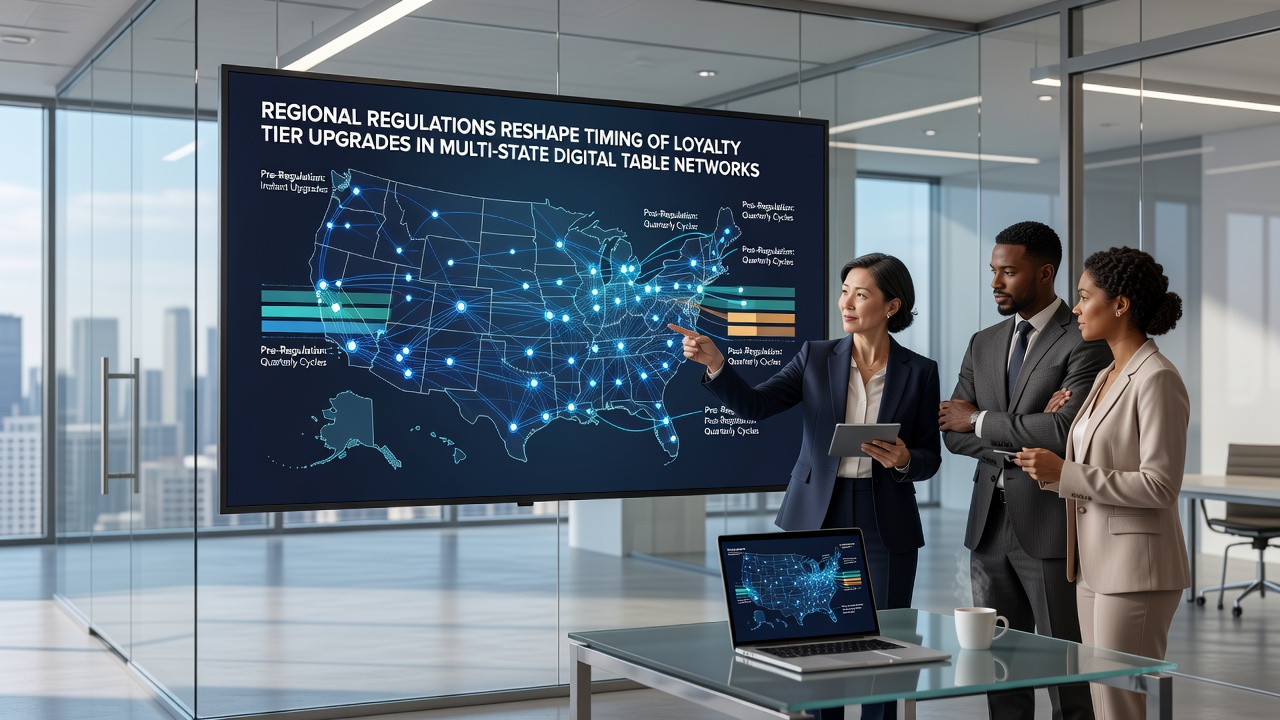
Regional regulations continue to influence how operators manage loyalty tier upgrades within multi-state digital table networks, where platforms connect players across jurisdictions through synchronized reward systems for games like blackjack and roulette. Data from industry reports indicate that these changes affect the precise moments when players advance between tiers, often tied to real-time play tracking and compliance checks that differ by state.
Core Mechanics of Multi-State Digital Table Networks
Multi-state digital table networks operate by linking player accounts across borders while adhering to each region's distinct rules on data sharing and reward calculations. Operators must synchronize loyalty metrics such as hand counts, bet volumes, and session durations, yet state-specific mandates require separate verification steps before any tier elevation processes. Researchers at institutions like the University of Nevada, Las Vegas have documented how these networks rely on centralized databases that flag upgrades only after cross-checking against local statutes.
Take one operator managing tables in New Jersey and Pennsylvania simultaneously. That operator processes upgrade requests through automated triggers, but Pennsylvania rules demand additional anti-money laundering reviews that delay the final tier assignment by several hours compared to New Jersey protocols. Such variations create staggered timelines where a player might qualify for silver status in one state yet wait for confirmation before accessing gold benefits network-wide.
How Regulations Alter Upgrade Timing
State gaming authorities enforce reporting intervals that directly shift when loyalty upgrades activate. In Michigan, for instance, daily transaction logs must clear before any points convert into tier status, whereas Delaware permits near-instantaneous updates once minimum thresholds are met. Observers note that these differences force platforms to implement buffering periods, holding upgrades until all applicable regional clearances occur.
Amendments effective around June 2026 in several jurisdictions introduce mandatory cooling-off windows between qualification and activation. These windows require operators to pause tier advancements for 24 to 48 hours while conducting enhanced due diligence. Figures from the Pennsylvania Gaming Control Board reveal that similar prior adjustments extended average upgrade times by 35 percent across interconnected digital table systems.
Examples from Existing Implementations
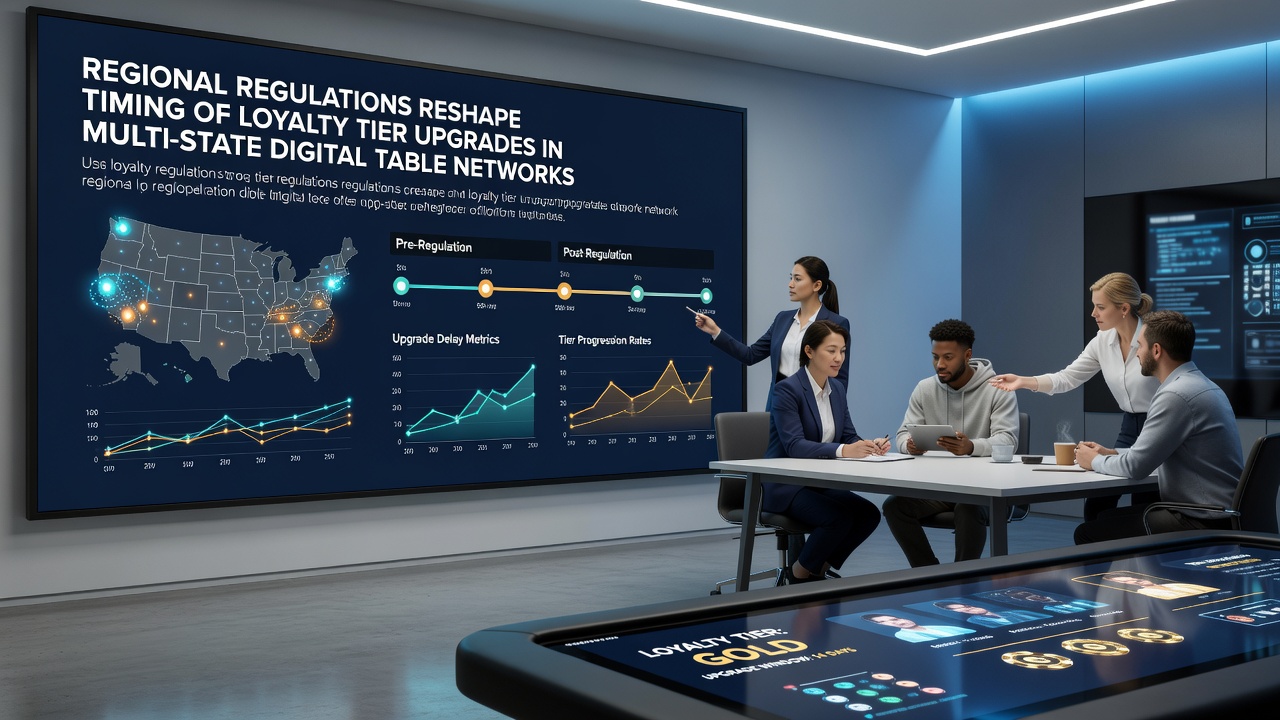
One documented case involves a platform spanning New Jersey, Pennsylvania, and West Virginia. Players who accumulated sufficient table play in early 2025 experienced upgrades that triggered only after sequential reviews in each state, resulting in some accounts advancing tiers on different days despite identical play patterns. This staggered approach stems from rules requiring localized audits before network-wide recognition takes effect.
Another instance shows operators adjusting their internal clocks to align with the strictest jurisdiction in the network. When one state mandates weekly batch processing for loyalty data, the entire multi-state system adopts that cadence to avoid compliance gaps. Studies from the Alcohol and Gaming Commission of Ontario highlight parallel patterns in cross-border setups, where timing synchronization reduces disputes but lengthens the path to higher tiers.
Technical Adjustments Operators Make
Platforms respond by deploying modular software that applies jurisdiction-specific filters to loyalty algorithms. These filters evaluate play data against each state's criteria before releasing an upgrade signal. Experts have observed that such systems use conditional logic to queue advancements, ensuring no player receives benefits until every relevant authority signs off.
Network administrators also maintain audit trails that log the exact sequence of regulatory checks. These trails prove useful during inspections and help explain to players why a tier change appears delayed. Data indicates that transparent communication about these steps has become standard practice among operators handling multi-state digital tables.
Conclusion
Regional regulations continue to dictate precise windows for loyalty tier upgrades in multi-state digital table networks through layered compliance requirements and staggered verification processes. Operators adapt by refining their technical frameworks and aligning operations with the most demanding standards across participating states. As frameworks evolve around dates like June 2026, the timing mechanics will likely incorporate further buffers and audit layers while preserving the interconnected nature of these reward systems.