24 Aug 2026
Seasonal Incentive Resets and Shifts in Multi-Game Transition Sequences Within Loyalty-Integrated Live Environments
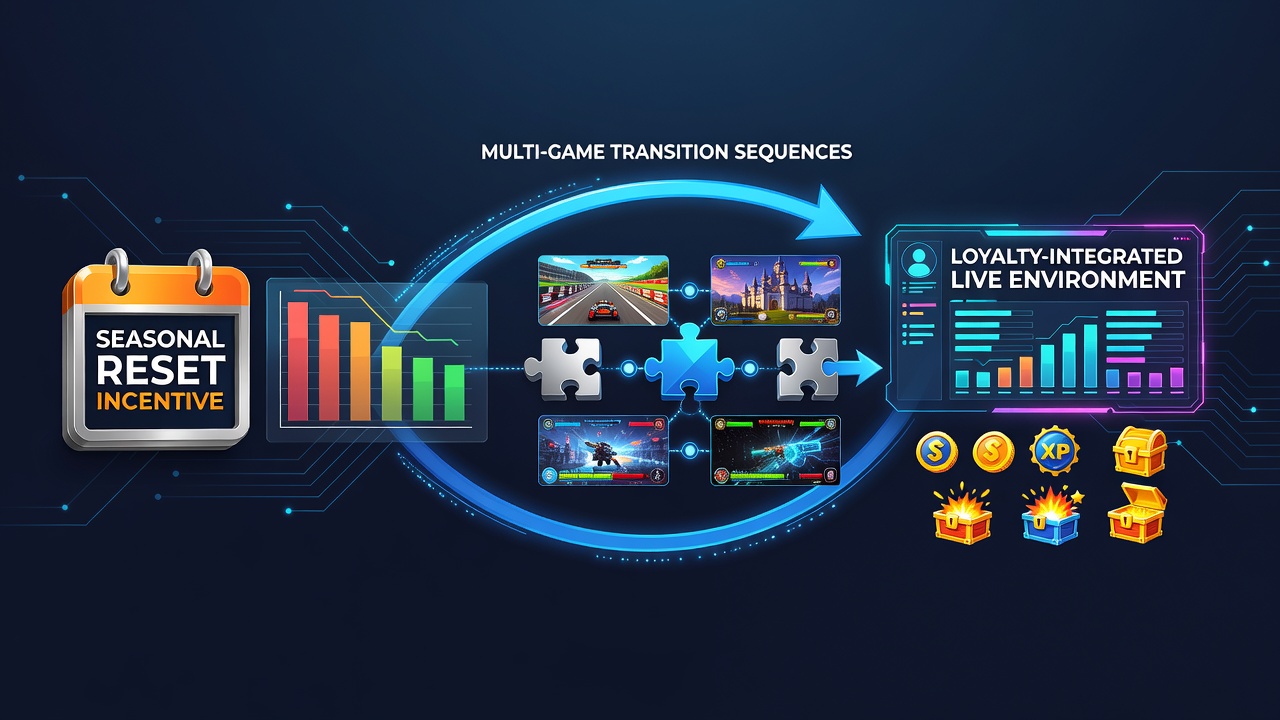
Seasonal incentive resets occur at fixed intervals across loyalty-integrated platforms, and these adjustments alter the sequences players follow when moving between games in live dealer environments. Data from multiple jurisdictions shows that resets tied to calendar quarters or holidays prompt measurable changes in how participants allocate time across slots, table games, and live streamed options. In August 2026 operators in several markets implemented mid-year resets that coincided with summer promotions, producing documented shifts in session patterns.
Mechanics of Seasonal Incentive Resets
Operators structure resets around loyalty tiers where accumulated points or tier status expire or convert at predetermined dates, and this process directly influences reward eligibility for live play. According to reports from the American Gaming Association, resets typically refresh bonus multipliers and free-play allocations every three to six months, forcing players to re-optimize their game choices to maintain earning rates. The timing of these events creates predictable windows where transition sequences accelerate as participants test new combinations to maximize remaining incentives before expiration.
Live environments add another layer because real-time dealer interactions and table minimums interact with the reset schedule, and observers note that players often switch from high-volatility slots to lower-stakes live blackjack or roulette during these periods to preserve bankroll while chasing renewed loyalty targets.
Observed Changes in Multi-Game Transition Sequences
Transition sequences describe the order and frequency with which players move between game types within a single session or across consecutive sessions. Research compiled by Canadian regulatory analysts indicates that post-reset periods show a 15 to 25 percent increase in switches from digital slots to live dealer tables within the first 72 hours after incentives refresh. This pattern emerges because new multipliers apply more favorably to certain live game categories, prompting rapid adjustments in player routing.
Figures reveal that sequences become longer and more varied when resets coincide with promotional events, as participants explore hybrid paths that combine brief slot spins with extended live dealer rounds to satisfy both wagering requirements and loyalty accumulation rules simultaneously. In integrated systems the tracking software records these paths automatically, allowing operators to map the most common sequences that follow each seasonal boundary.
Loyalty Integration and Live Environment Interactions
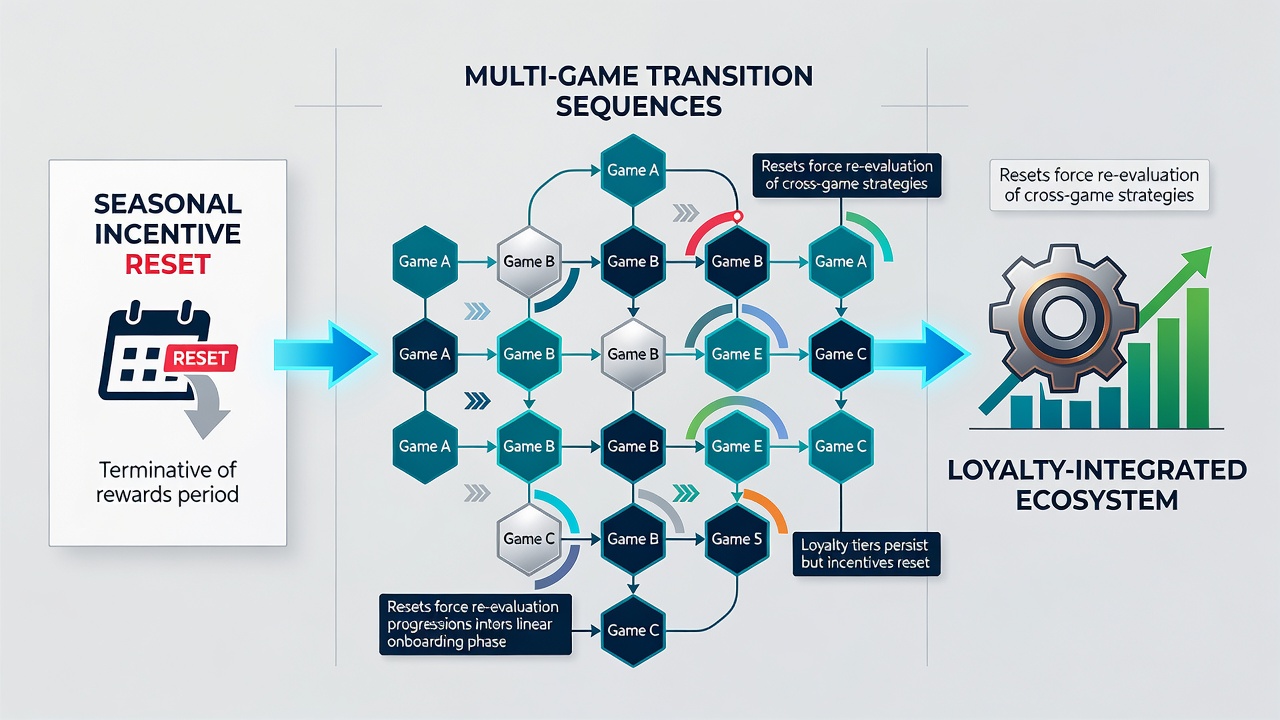
Loyalty platforms connect digital wallets, live game outcomes, and reward triggers through synchronized protocols that update in real time, and seasonal resets expose how these linkages affect sequential decision making. When points reset, players who previously followed linear paths from slots to live poker often adopt branched sequences that include multiple live variants within the same hour to test which tables award the highest post-reset bonuses. Data collected across Australian venues demonstrates that such branching increases average session length by approximately 12 minutes during the initial reset week.
Those who monitor system logs report that live dealer environments experience higher table occupancy immediately after resets because the social component encourages continued play while participants wait for new incentive structures to stabilize. This occupancy spike occurs even as overall wager volumes redistribute across game categories rather than increase uniformly.
Patterns Documented in August 2026
August 2026 resets across multiple North American and European platforms produced consistent data sets showing accelerated transitions from virtual to live formats within loyalty tiers above the midpoint. Analysts tracking these events found that sequences involving three or more distinct game types rose notably compared with pre-reset baselines, particularly when live environments offered time-limited multiplier boosts on specific tables. The synchronization between notification systems and live game availability played a measurable role in guiding these movements.
Operators using unified loyalty ledgers observed that players who completed sequences spanning slots, live roulette, and live baccarat within the first 48 hours after reset retained higher tier status into the following quarter than those who remained on single-game paths.
Conclusion
Seasonal incentive resets function as structural events that reorganize the order and frequency of game transitions in loyalty-integrated live settings, with records from 2026 confirming measurable effects on session architecture across platforms. Continued collection of transition sequence data allows operators and regulators to track how these periodic adjustments influence participation patterns without altering overall engagement levels.