13 Jul 2026
Seasonal Shifts in Bonus Structures and Their Impact on Game Preference Transitions Among Tiered Members
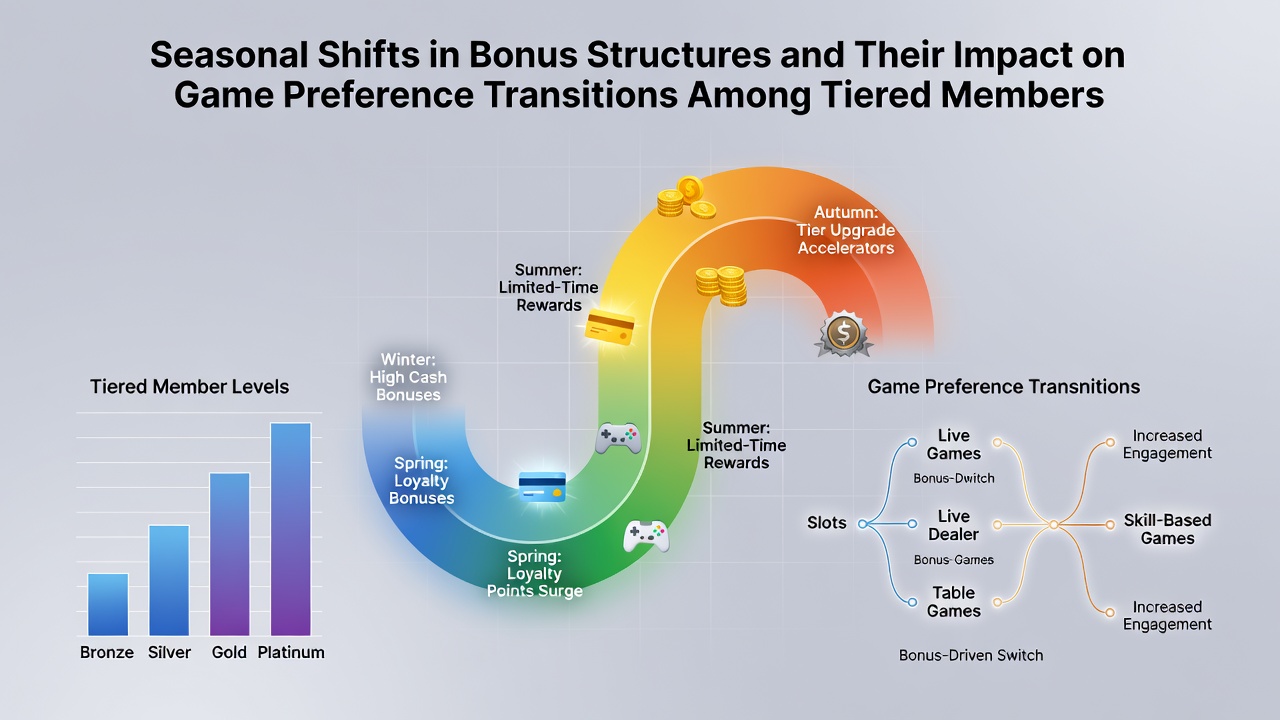
Tiered membership systems in gaming establishments organize players into levels based on activity and spending, and these frameworks often see bonus structures that shift with the calendar to align with peak periods, holidays, and slower months, while data from multiple jurisdictions shows measurable movement in the games that members choose once those incentives change.
Operators typically increase matched deposit offers or free play credits during summer months when tourism rises, and they redirect those same resources toward table game multipliers in winter when foot traffic drops, creating clear patterns in how bronze, silver, and gold members adjust their session choices.
Bonus Adjustments Across Calendar Cycles
Records from integrated casino management platforms indicate that summer promotions frequently emphasize slot-specific rewards because visitor volume climbs, whereas fall campaigns shift toward blackjack and roulette incentives to maintain engagement during shoulder seasons, and observers note that these adjustments occur on predictable schedules tied to regional tourism data.
During July 2026 several major properties released updated loyalty calendars that extended higher cashback percentages on electronic gaming devices for mid-tier members while capping table game rebates, a move that coincided with reported increases in average slot session length among those same players.
Research from the American Gaming Association tracks how these calendar-driven modifications correlate with changes in machine versus table utilization rates across properties that operate multi-tier programs.
Observed Transitions in Game Selection
Members at the lowest tier often migrate toward video poker when free spin bundles appear in spring campaigns, while higher-tier players show steadier movement into live dealer environments once seasonal rake discounts activate in late fall, and platform logs reveal these switches happen within the first two weeks of each new promotion window.
One study of loyalty credit redemption patterns found that gold members increased roulette participation by measurable margins when seasonal bonus pools favored table games, whereas silver members maintained higher slot volume even when table incentives rose, suggesting tier position influences how quickly preferences adapt to new reward structures.
Data Patterns and Regional Variations
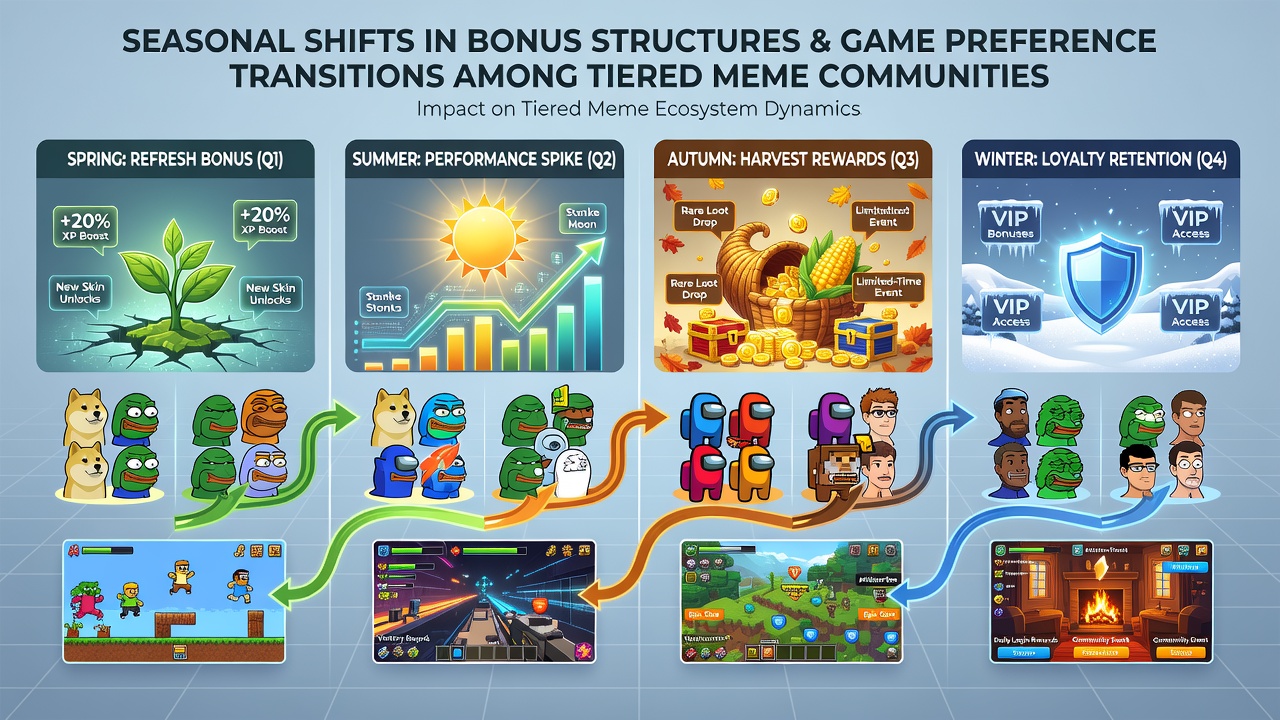
Figures released by the Canadian Gaming Association document parallel trends north of the border, where summer bonus expansions on progressive slots produced measurable upticks in nickel and penny denomination play among entry-level members, while winter table game promotions drew mid-tier players toward baccarat and craps at higher rates.
These shifts do not occur uniformly, because properties in tourist-heavy markets display faster transitions than those serving primarily local populations, and analysts attribute the difference to varying levels of member familiarity with each game type before the seasonal offers appear.
Factors That Shape Preference Changes
Communication timing plays a documented role, since members who receive advance notice of upcoming bonus rotations show earlier switches in game selection than those notified only after the new structure launches, and integrated notification systems allow operators to measure how many days elapse between announcement and observed behavior change.
Redemption friction also matters, because offers that require multiple game types to unlock full value produce broader exploration across the floor, whereas single-game bonuses concentrate activity more narrowly, and loyalty software captures these differences through session logging tied to individual accounts.
Conclusion
Seasonal bonus modifications continue to influence how tiered members distribute their play across available games, with platform data confirming consistent directional movements that operators monitor to refine future calendar planning and inventory allocation.