1 Aug 2026
The Interplay of Transaction Methods and Reward Claim Behaviors in Cross-Jurisdictional Digital Casinos
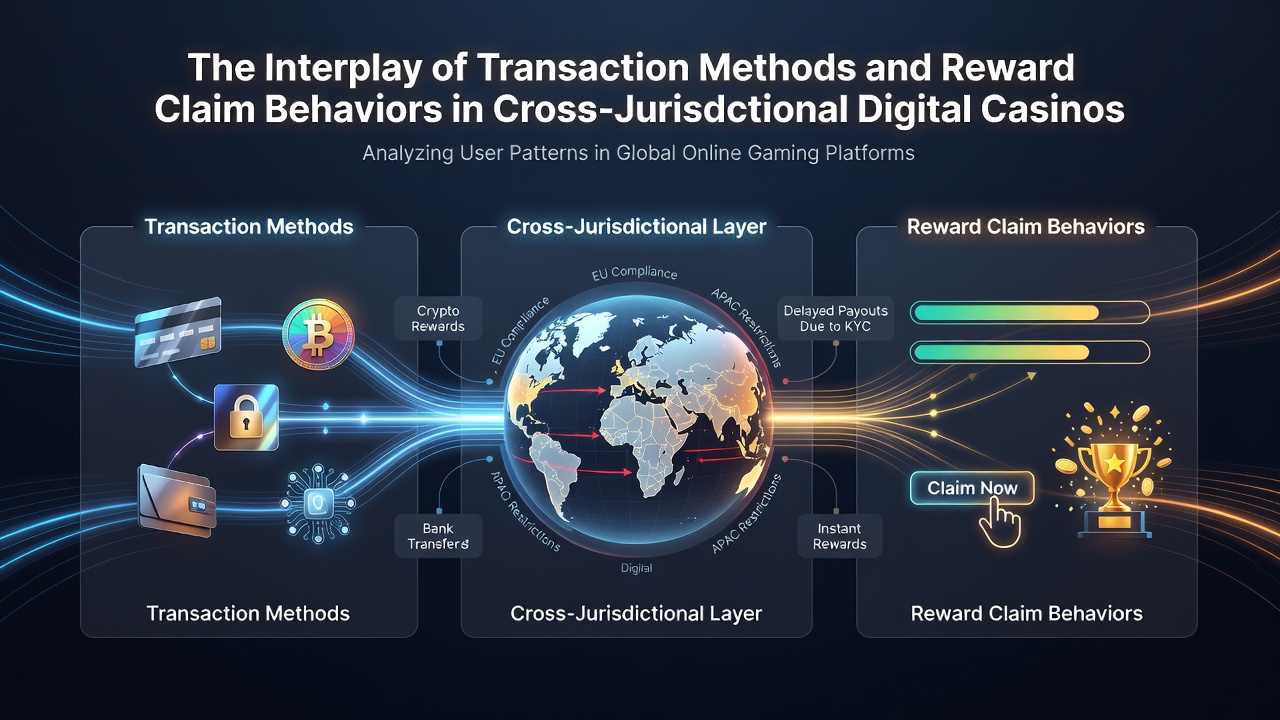
Digital casinos operating across borders rely on varied transaction methods that shape how players interact with reward systems, and those methods range from traditional bank wires to cryptocurrency transfers and e-wallet services that each carry distinct verification timelines and jurisdictional restrictions. Researchers tracking player activity note that credit card deposits often trigger immediate bonus eligibility checks in markets such as New Jersey, whereas cryptocurrency options introduce longer settlement periods that delay reward claims until blockchain confirmations complete. Data from multi-state operators shows that e-wallet users in the European Union complete reward redemptions faster than those using direct bank transfers because the former bypass certain intermediary compliance layers required under Directive 2015/849 on anti-money laundering.
Payment Channels and Their Regulatory Footprints
Each jurisdiction imposes unique rules on acceptable funding sources, and those rules directly influence the sequence of steps players must follow before accessing matched deposits or loyalty bonuses. Operators licensed in multiple regions maintain separate ledgers for transactions originating from the United States, Canada, and Australia, which means a single player account can encounter different claim windows depending on the origin of funds. According to reports published by the New Jersey Division of Gaming Enforcement, credit and debit card transactions processed through approved processors receive automated approval for reward claims within minutes, while wire transfers from overseas banks require manual review that can extend up to seventy-two hours. Observers note that cryptocurrency deposits, although permitted in certain offshore frameworks, frequently encounter additional source-of-funds questionnaires that postpone bonus activation until the operator verifies wallet history against sanctions lists maintained by international bodies.
Reward Claim Patterns Across Payment Types
Studies examining session data reveal consistent patterns linking payment speed to the timing of reward claims, with faster methods correlating to higher immediate redemption rates. Players who fund accounts through instant e-wallets such as PayPal or Neteller tend to claim free spins or deposit matches within the same session, whereas those relying on slower bank transfers often wait until funds clear before engaging loyalty programs. Figures released by the Australian Communications and Media Authority indicate that cross-border players using prepaid vouchers demonstrate lower overall claim volumes because those instruments carry daily limits that fragment larger deposits into multiple smaller transactions, each requiring separate verification. Operators adjust their bonus terms accordingly, setting shorter claim windows for rapid-payment users and extending grace periods for slower channels to accommodate regulatory hold times.
Cross-Border Compliance and Timing Synchronization
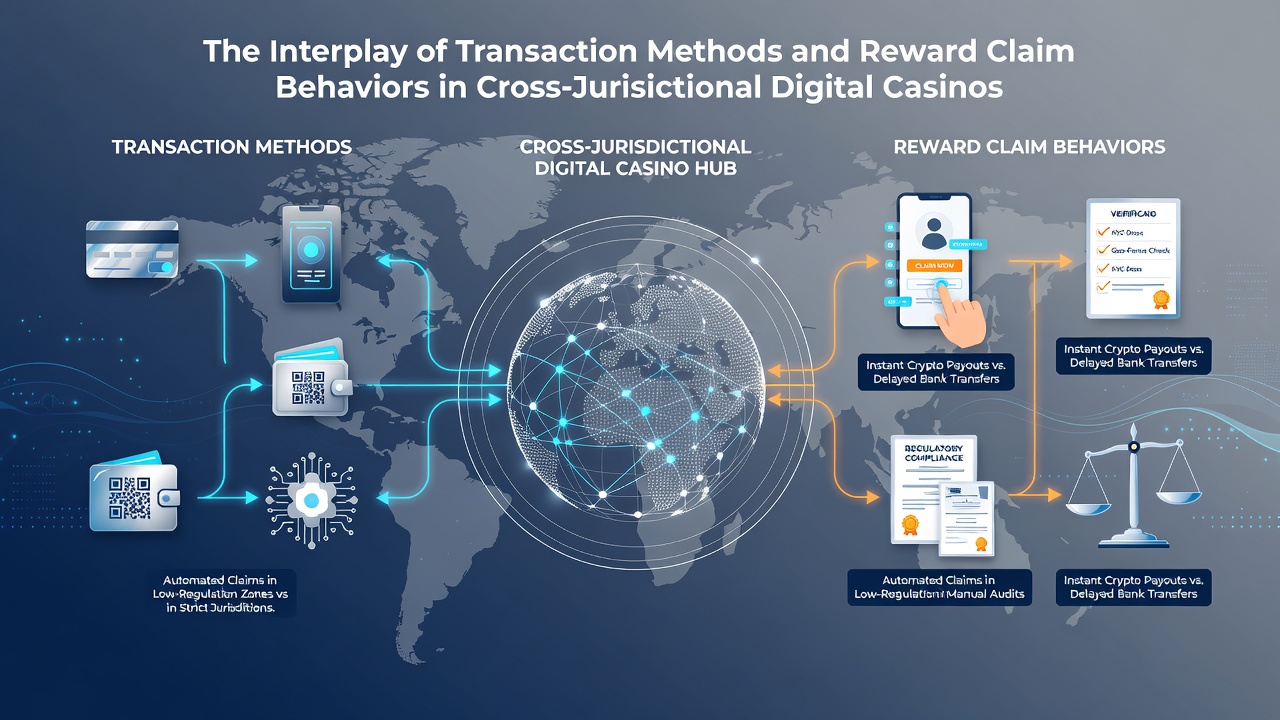
Regulatory divergence creates synchronization challenges when the same player account spans several licensing authorities, and operators must reconcile conflicting requirements before releasing rewards. A deposit verified under one jurisdiction's know-your-customer standards may still face re-examination when the player attempts to claim a bonus tied to activity in another region. Research published by the International Center for Gaming Regulation at the University of Nevada, Las Vegas, highlights that August 2026 will see several North American and European regulators implement synchronized reporting protocols for high-value transactions, which could standardize the delay between deposit confirmation and reward eligibility across borders. Those changes aim to reduce friction for players while maintaining audit trails that link each funding source to subsequent bonus claims, yet they also require platforms to maintain real-time data bridges between disparate compliance databases.
Behavioral Responses and Platform Adjustments
Player behavior adapts to the constraints imposed by different transaction methods, and platforms respond with tailored interfaces that guide users toward claim-friendly payment options. Data aggregated from integrated casino networks shows that users who begin with cryptocurrency deposits often migrate to e-wallets after experiencing initial delays in reward processing, while bank-transfer users maintain steadier participation once they learn the typical clearance windows. Operators introduce in-app prompts that display estimated claim times based on selected funding channels, drawing from historical datasets that correlate payment type with average redemption speed. These adjustments help maintain engagement levels even when jurisdictional rules impose staggered verification steps.
Conclusion
The relationship between transaction methods and reward claim behaviors continues to evolve as regulators refine cross-jurisdictional standards and operators refine their technical infrastructure. Evidence from multiple licensing regions demonstrates that payment speed, verification depth, and claim timing remain interdependent variables that shape player activity across digital platforms. Continued monitoring of these interactions will determine how future regulatory updates, including those scheduled for 2026, affect the operational landscape for both providers and participants.