25 Jun 2026
Tracing patterns in how regional event calendars shape table game participation rates within multi-platform loyalty ecosystems
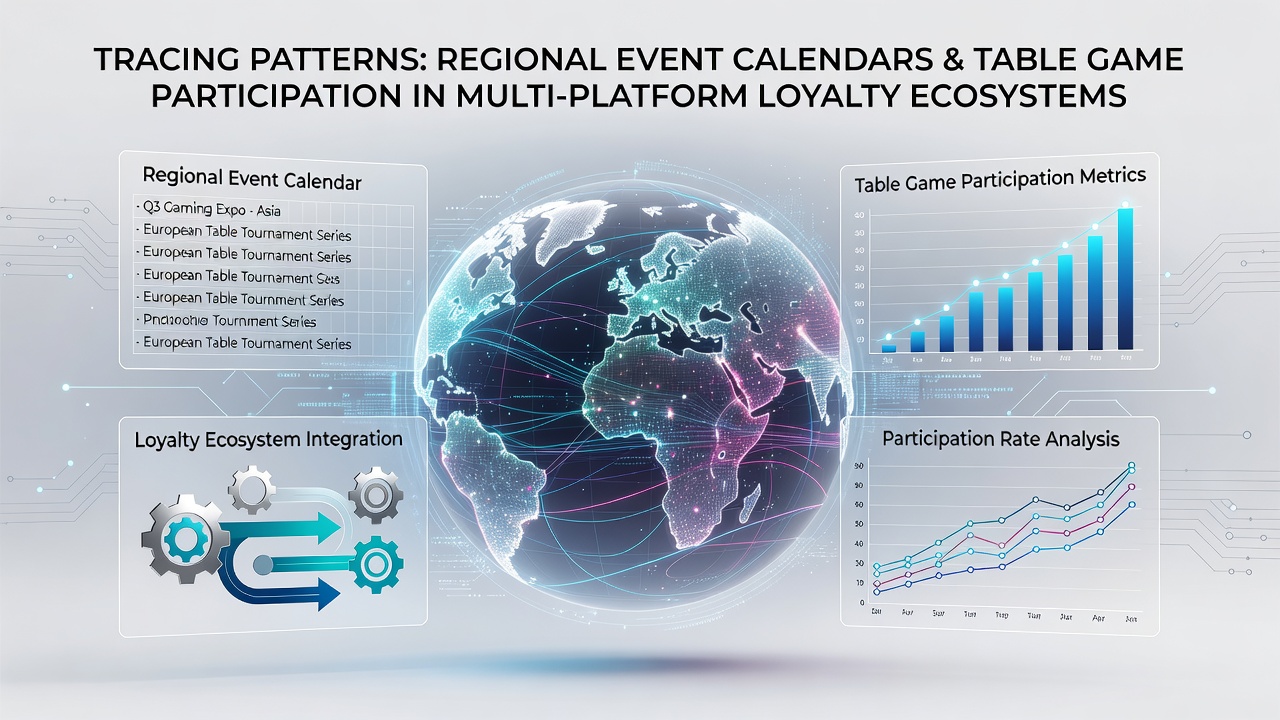 Regional event calendars drive measurable shifts in table game activity across integrated loyalty networks that connect land-based properties with digital platforms, and analysts track these movements through aggregated player data from multiple jurisdictions. Major festivals, sports tournaments, and cultural gatherings create predictable spikes or dips in blackjack, roulette, and poker sessions because participants often align their travel and leisure plans with local happenings that boost foot traffic into casino resorts. Studies from the American Gaming Association show that participation rates in table games rise between 12 and 18 percent during large-scale regional events when loyalty programs automatically sync rewards across mobile apps and on-site kiosks. These systems record session length, wager volume, and game type preferences, allowing operators to identify correlations between calendar-driven crowds and specific table game clusters.
Calendar-driven traffic and loyalty synchronization
Event schedules in cities like Las Vegas, Atlantic City, and regional markets in Australia reveal consistent patterns where music festivals or championship games increase table game uptake among loyalty members who receive targeted notifications through unified accounts. Data indicates that players who earn points at physical tables during peak event periods often redeem those credits for digital free-play offers on linked platforms within 48 hours, creating a feedback loop that sustains engagement across channels. Observers note that June 2026 calendars already list overlapping events including international soccer tournaments and state fair circuits, and preliminary modeling suggests these dates will generate elevated table game volumes in properties that integrate real-time loyalty triggers. When regional calendars feature multiple overlapping attractions, participation spreads across poker rooms and roulette pits rather than concentrating on slots, because group visitors tend to favor social table experiences that align with shared leisure activities.Cross-platform data flows and participation metrics
Multi-platform ecosystems capture every transaction through centralized databases that link a player's land-based table game activity to their online profile, and this integration highlights how event timing influences game selection. Research compiled by the Gambling Research Exchange Ontario demonstrates that loyalty members increase table game frequency by an average of 22 percent when regional calendars include high-attendance sports events, provided the loyalty program offers tiered multipliers for those specific dates.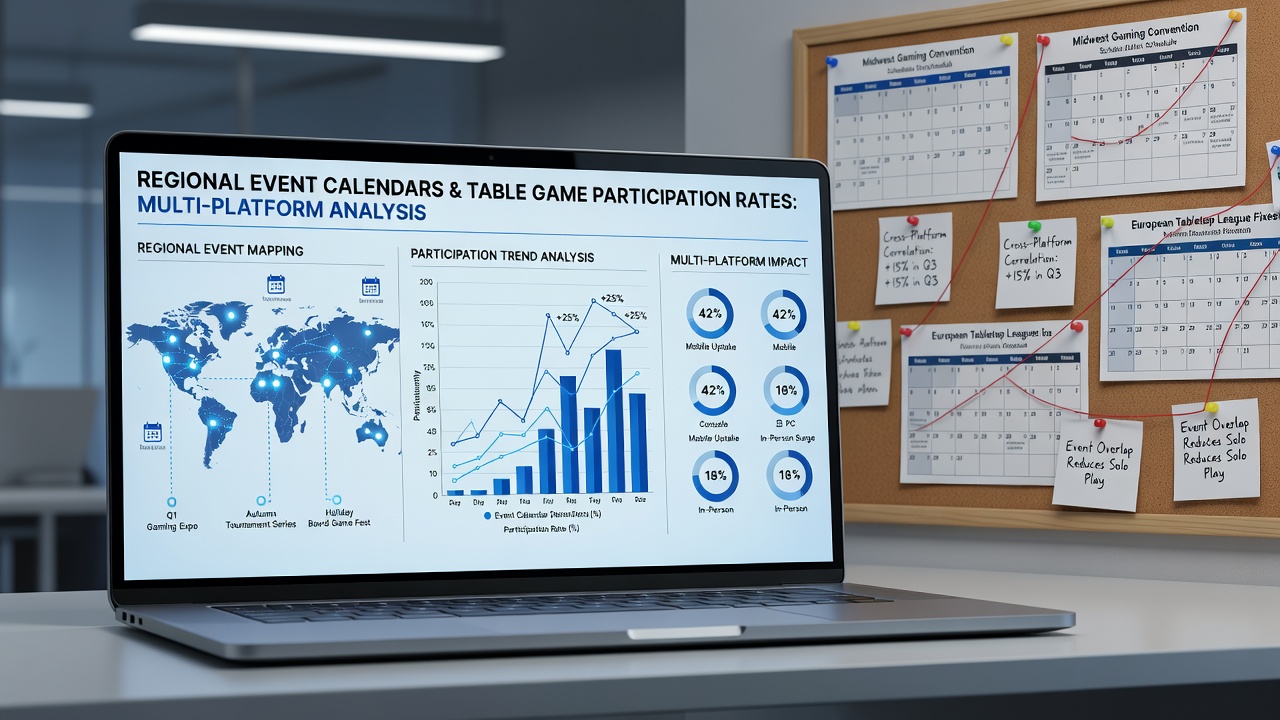 Operators in European markets have adopted similar tracking methods through the Malta Gaming Authority's reporting frameworks, which require disclosure of participation trends tied to local cultural calendars. These reports reveal that table game sessions extend longer during festival periods because players combine visits with nearby events, and loyalty points accumulate faster when systems automatically adjust reward rates based on calendar data inputs.