20 Jul 2026
Unraveling Reward Trigger Sequences Tied to Banking Option Shifts Within Interconnected Loyalty Ecosystems
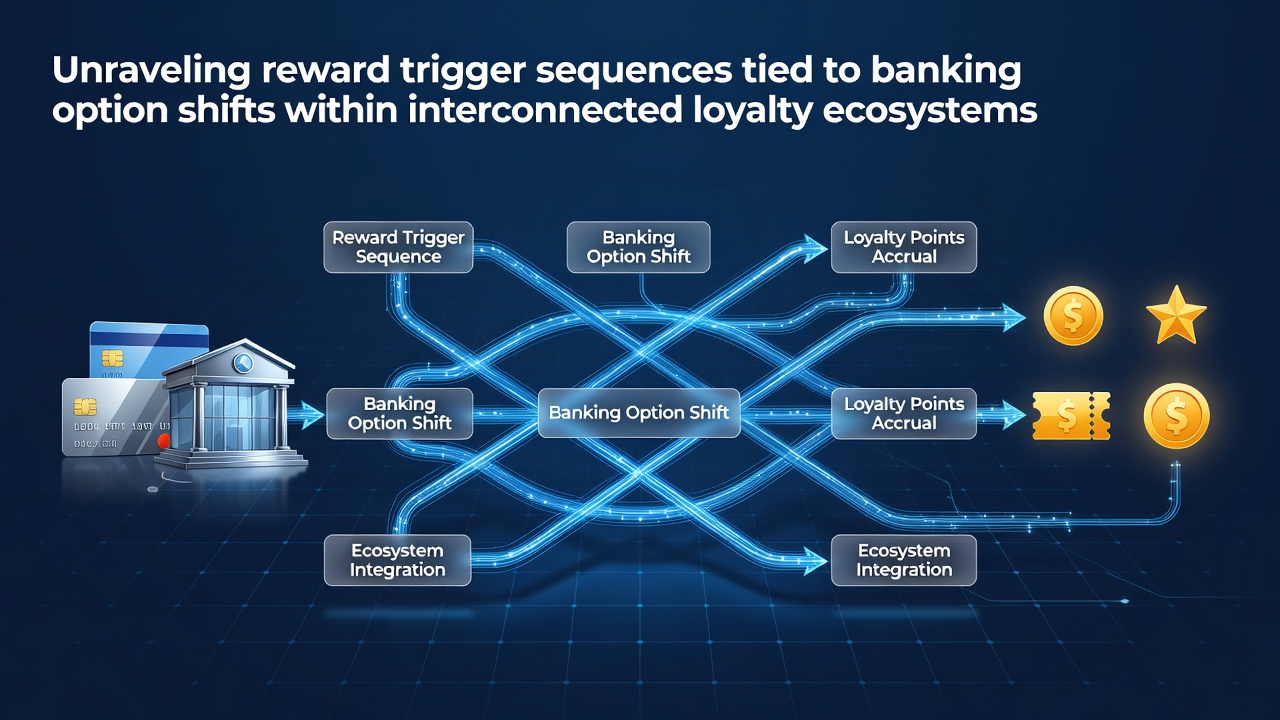
Interconnected loyalty ecosystems in gaming and entertainment sectors operate through layered networks where player actions trigger sequenced rewards based on payment method selections, and shifts in those banking options can alter the timing and nature of those triggers in measurable ways. Data from industry reports show that platforms synchronize deposit verifications with loyalty credit accumulation across multiple jurisdictions, creating pathways where a change from one funding channel to another activates distinct reward sequences.
Core Mechanisms in Loyalty Ecosystems
Researchers at various academic institutions have mapped how loyalty programs link banking channels to reward triggers through automated protocols that monitor transaction patterns in real time. When players switch banking options, such as from traditional credit transfers to digital wallet integrations, the system recalibrates the sequence of incentives, often prioritizing immediate credits over deferred bonuses. According to findings from the University of Nevada's gaming research center, these adjustments occur because platforms maintain cross-platform databases that flag option shifts as qualifying events for escalated reward tiers.
Observers note that synchronization protocols play a central role here, as they align notification systems with deposit confirmations to ensure rewards activate only after verification thresholds are met. In July 2026, several multi-jurisdictional operators updated their backend systems to reflect new data standards from regulatory bodies like the Nevada Gaming Control Board, which refined reporting requirements for alternative funding methods and their impact on loyalty accumulation rates.
Impact of Banking Option Shifts on Trigger Sequences
Shifts in banking preferences influence reward sequences by introducing variables that reset or modify trigger points within the ecosystem. For instance, a transition to prepaid card usage might delay initial reward activation while accelerating subsequent free play allocations once the system processes the new channel. Figures from the Australian Institute of Criminology's gaming studies reveal that such shifts correlate with a 12 to 18 percent variation in session duration patterns, as players adapt their play styles to match updated trigger timings.
What's interesting is how these changes propagate across interconnected platforms, where one ecosystem's banking adjustment can influence reward eligibility in partnered networks through shared API linkages. Take the case documented in a 2025 report by the European Gaming and Betting Association, where operators in multiple EU member states observed that players migrating to cryptocurrency options experienced reordered loyalty sequences favoring volume-based bonuses over time-based ones.
Cross-Platform Interactions and Data Patterns
Interconnected ecosystems rely on unified player profiles that track banking history alongside loyalty metrics, allowing operators to predict and sequence rewards based on historical option changes. Evidence suggests these profiles draw from aggregated transaction logs that highlight patterns like increased reward density following a shift to instant payment processors. Studies from McGill University's research on digital entertainment networks indicate that July 2026 updates to platform algorithms incorporated machine learning models to better anticipate such sequences amid rising adoption of alternative banking tools.
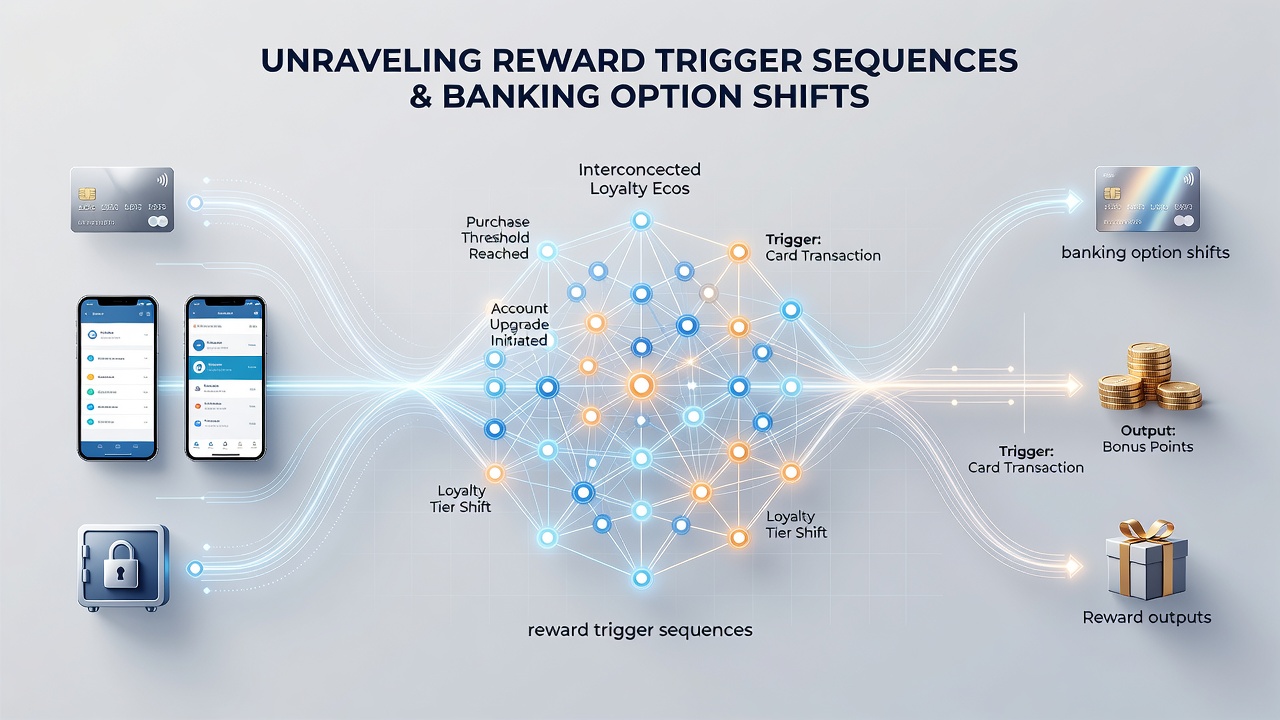
People who've analyzed these systems point to examples where a single banking option change in one jurisdiction cascades into modified trigger conditions elsewhere, due to shared regulatory compliance layers. Data shows that platforms handling multi-state operations must navigate differing verification timelines, which in turn affects how rewards sequence across the broader ecosystem. The reality is that these linkages create feedback loops where sustained participation reinforces the new trigger pathways established after the shift.
Regulatory and Operational Considerations
Regulatory frameworks in regions like Canada and parts of Asia require operators to document how banking shifts intersect with loyalty mechanics, ensuring transparency in reward allocation. Industry associations such as the World Lottery Association have compiled datasets showing that compliance updates in mid-2026 prompted revisions to trigger protocols in several large-scale networks. These revisions addressed issues around sequential reward activation when players alternate between funding sources, particularly in environments supporting live dealer integrations.
Yet operators continue to refine their approaches, as patterns emerge from ongoing data collection that link specific banking channels to distinct reward behaviors across loyalty tiers. Research indicates that interconnected systems benefit from standardized reporting formats, which help maintain consistency even as individual platforms adjust to local rules.
Conclusion
The connections between banking option shifts and reward trigger sequences in loyalty ecosystems highlight the dynamic nature of modern gaming platforms, where data synchronization and regulatory alignment shape player experiences across networks. Continued monitoring of these patterns, especially following the 2026 updates, provides clearer insights into how such systems evolve over time.